Dry van trucking is a popular method of freight transportation that involves the use of enclosed trailers to haul goods. These trailers, known as dry vans, are designed to protect cargo from external elements such as weather and road debris. They are versatile and can transport a wide range of non-perishable goods, making them a staple in the logistics industry.
Key features of dry van trailers include their enclosed structure, which provides security and protection for the cargo. They are typically 53 feet long and can carry up to 45,000 pounds of freight. This makes them ideal for transporting large quantities of goods efficiently.
Types of Dry Van Trailers
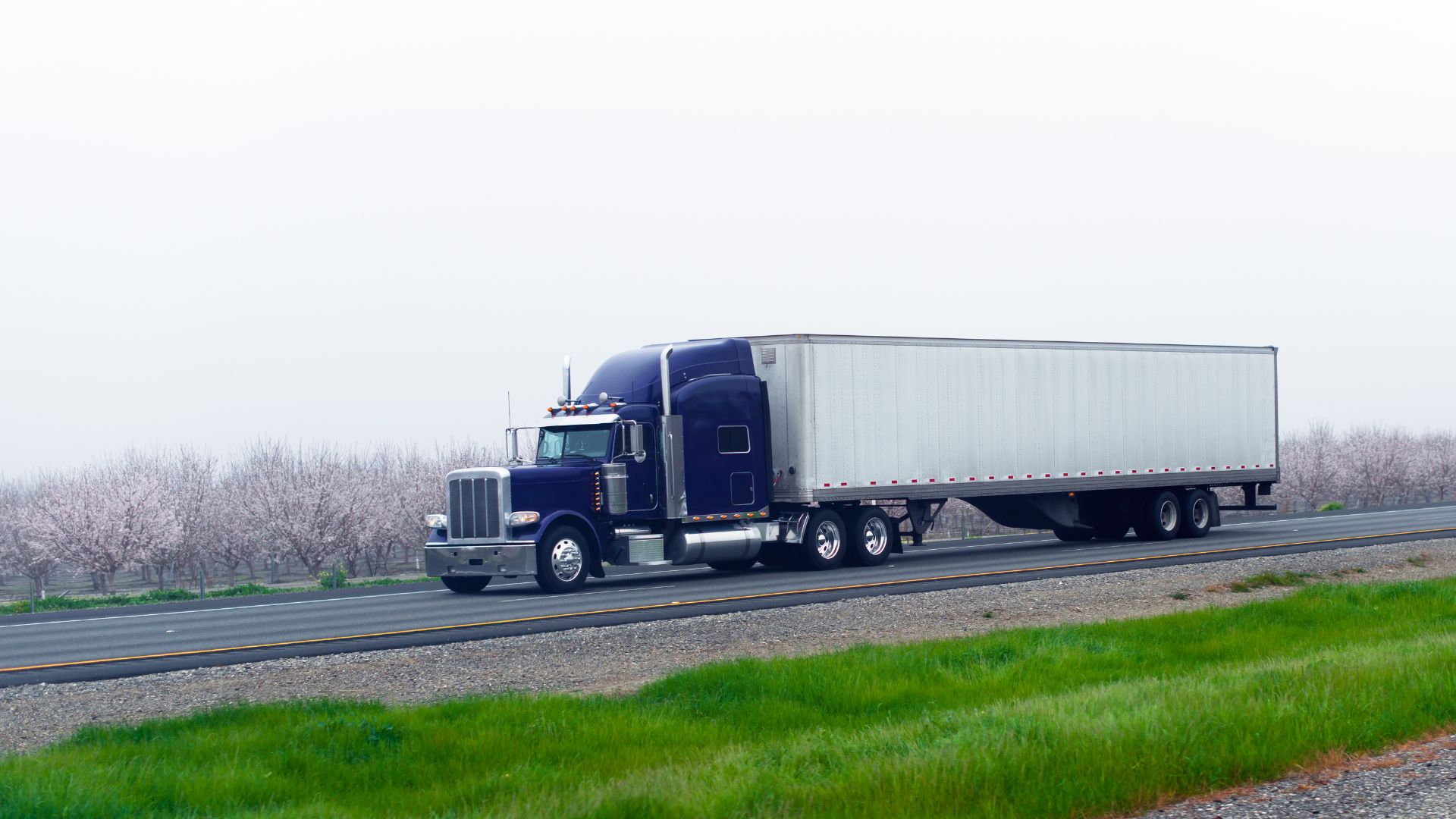
There are several types of dry van trailers, each designed to meet specific transportation needs. Standard dry vans are the most common, featuring a simple box-like structure. Pup trailers are smaller versions, often used for shorter hauls or in urban areas where maneuverability is crucial. Additionally, there are specialized dry vans with features like lift gates for easier loading and unloading.
-
Standard Dry Vans: Most common, used for general freight.
-
Pup Trailers: Smaller, used for short distances or urban deliveries.
-
Specialized Dry Vans: Equipped with lift gates or other features for specific needs.
Benefits of Dry Van Shipping for Trading Companies
Versatility and Flexibility
Dry van shipping offers unmatched versatility, allowing trading companies to transport a wide array of goods. From electronics to clothing, dry vans can handle it all. This flexibility makes them a preferred choice for businesses looking to streamline their logistics operations.
The enclosed nature of dry vans also means they can be used in various weather conditions without compromising the safety of the cargo. This adaptability is crucial for companies that need to maintain consistent delivery schedules.
Cost-Effectiveness
One of the primary advantages of dry van trucking is its cost-effectiveness. The widespread availability of dry vans means competitive pricing, which can significantly reduce transportation costs for trading companies. Additionally, the ability to transport large volumes of goods in a single trip further enhances cost savings.
-
Competitive Pricing: Due to high availability.
-
Large Volume Transport: Reduces per-unit shipping costs.
Protection from Elements
Dry van trailers provide excellent protection from external elements, ensuring that goods arrive at their destination in pristine condition. The enclosed design shields cargo from rain, snow, and dust, making it ideal for transporting sensitive items that require extra care.
This protection is particularly beneficial for companies dealing with high-value or delicate goods, as it minimizes the risk of damage during transit.
Dry Van vs Other Trucking Methods
Dry Van vs Flatbed Trailers
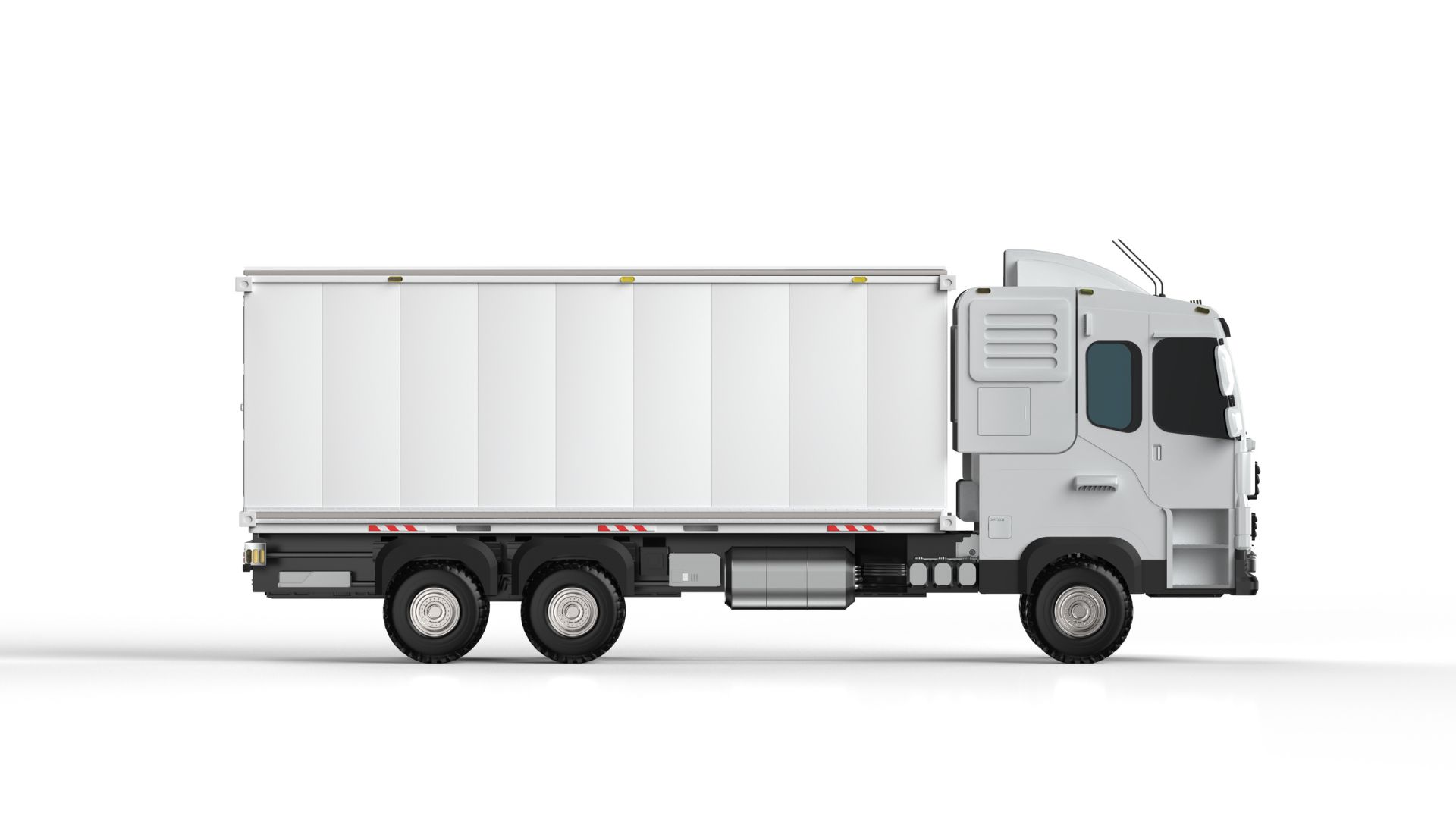
While both dry vans and flatbed trailers are used for freight transportation, they serve different purposes. Dry vans are enclosed, offering protection from weather and theft, whereas flatbed trailers are open and used for oversized or irregularly shaped cargo.
Flatbeds are ideal for transporting construction materials or machinery, but they lack the security and protection that dry vans provide. This makes dry vans a better choice for goods that require safeguarding.
Dry Van vs Refrigerated Trailers
Refrigerated trailers, or reefers, are equipped with temperature control systems, making them suitable for perishable goods. In contrast, dry vans are not temperature-controlled and are used for non-perishable items.
While reefers are essential for transporting food and pharmaceuticals, dry vans are more cost-effective for goods that do not require temperature regulation.
Dry Van vs Tanker Trucks
Tanker trucks are designed to transport liquids and gases, featuring cylindrical tanks instead of flatbeds or enclosed trailers. Dry vans, on the other hand, are used for solid goods and offer more versatility in terms of cargo types.
The choice between a dry van and a tanker truck depends on the nature of the cargo. For solid goods, dry vans are the preferred option due to their protective features.
Maximizing Efficiency with Dry Van Shipping
Loading and Unloading Best Practices
Efficient loading and unloading are crucial for maximizing the benefits of dry van shipping. Properly organizing cargo within the trailer can prevent damage and ensure a smooth unloading process. Using pallets and forklifts can speed up the process and reduce labor costs.
-
Use Pallets: For organized and efficient loading.
-
Employ Forklifts: To speed up loading and unloading.
Optimizing Cargo Space
Maximizing cargo space in a dry van is essential for cost-effective shipping. Proper stacking and securing of goods can prevent shifting during transit and allow for more items to be transported in a single trip.
Utilizing vertical space and ensuring even weight distribution are key strategies for optimizing cargo space in a dry van.
Utilizing Technology for Route Planning
Technology plays a vital role in enhancing the efficiency of dry van shipping. Advanced route planning software can help identify the most efficient paths, reducing fuel consumption and delivery times.
By using technology, trading companies can optimize their logistics operations and improve overall efficiency.
Dry Van Trucking Rates and Capacity
Factors Affecting Dry Van Rates
Several factors influence dry van trucking rates, including fuel prices, distance, and demand. Seasonal fluctuations and economic conditions can also impact pricing, making it essential for companies to stay informed about market trends.
-
Fuel Prices: Directly affect transportation costs.
-
Distance and Demand: Longer hauls and high demand can increase rates.
Average Dry Van Shipping Costs
The average cost of dry van shipping varies based on several factors, but it generally ranges from AED 70 to AED 150 per mile. Understanding these costs can help trading companies budget effectively and make informed decisions about their logistics strategies.
Capacity and Weight Limits
Dry vans have specific capacity and weight limits that must be adhered to for safe transportation. The standard weight limit is around 45,000 pounds, and exceeding this can result in fines and safety hazards.
-
Standard Weight Limit: Approximately 45,000 pounds.
-
Adherence to Limits: Ensures safety and compliance.
Choosing the Right Dry Van Trucking Service
Key Factors to Consider
When selecting a dry van trucking service, several factors should be considered, including reliability, cost, and customer service. It's essential to choose a company with a proven track record of timely deliveries and excellent customer support.
-
Reliability: Ensure timely and safe deliveries.
-
Cost and Customer Service: Balance affordability with quality service.
Evaluating Trucking Companies
Evaluating trucking companies involves assessing their reputation, fleet condition, and compliance with industry regulations. Reading customer reviews and checking for certifications can provide valuable insights into a company's reliability and service quality.
-
Reputation and Reviews: Indicate reliability and customer satisfaction.
-
Fleet Condition and Compliance: Ensure safety and adherence to regulations.
Dry Van Trucking Regulations and Compliance
DOT Requirements for Dry Van Trucking
The Department of Transportation (DOT) has specific requirements for dry van trucking, including weight limits, driver qualifications, and vehicle maintenance standards. Compliance with these regulations is crucial for ensuring safety and avoiding penalties.
-
Weight Limits and Driver Qualifications: Key compliance areas.
-
Vehicle Maintenance Standards: Ensure safety and reliability.
Safety Measures and Best Practices
Implementing safety measures and best practices is essential for successful dry van trucking operations. Regular vehicle inspections, driver training, and adherence to loading guidelines can prevent accidents and ensure the safe transport of goods.
-
Regular Inspections and Training: Enhance safety and efficiency.
-
Adherence to Loading Guidelines: Prevents cargo damage and accidents.
FAQs
What can be shipped in a dry van?
A wide range of non-perishable goods can be shipped in a dry van, including electronics, clothing, and furniture. The enclosed design of dry vans makes them suitable for items that require protection from weather and theft. This versatility is one of the reasons dry vans are so popular in the logistics industry.
How many pallets fit in a dry van?
A standard dry van can typically accommodate 26 to 30 pallets, depending on the size and configuration of the pallets. Proper stacking and organization are crucial to maximizing the number of pallets that can be transported. This capacity makes dry vans an efficient choice for bulk shipments.
What is the difference between a dry van and a box truck?
The primary difference between a dry van and a box truck is their size and capacity. Dry vans are larger and can carry more cargo, making them suitable for long-haul transportation. Box trucks, on the other hand, are smaller and often used for local deliveries. Both offer enclosed protection for goods, but their applications differ based on the scale of the shipment.
Are dry vans temperature controlled?
Dry vans are not temperature controlled and are used for transporting non-perishable goods. They provide protection from external elements but do not have the capability to regulate temperature. For goods that require specific temperature conditions, refrigerated trailers are the preferred option.