What Is Maritime Vessels?
Maritime vessels are the backbone of global trade and transportation, playing a crucial role in connecting continents and economies. These ships come in various types, each designed for specific purposes and cargo. Understanding the different types of ships is essential for anyone involved in the shipping industry or interested in maritime logistics.
Ships are categorized based on their design, purpose, and the type of cargo they carry. From massive container ships to specialized icebreakers, each vessel type has unique features and capabilities. This guide explores the diverse world of ships, highlighting their roles in international and domestic trade.
Container Ships
Features and Capacity
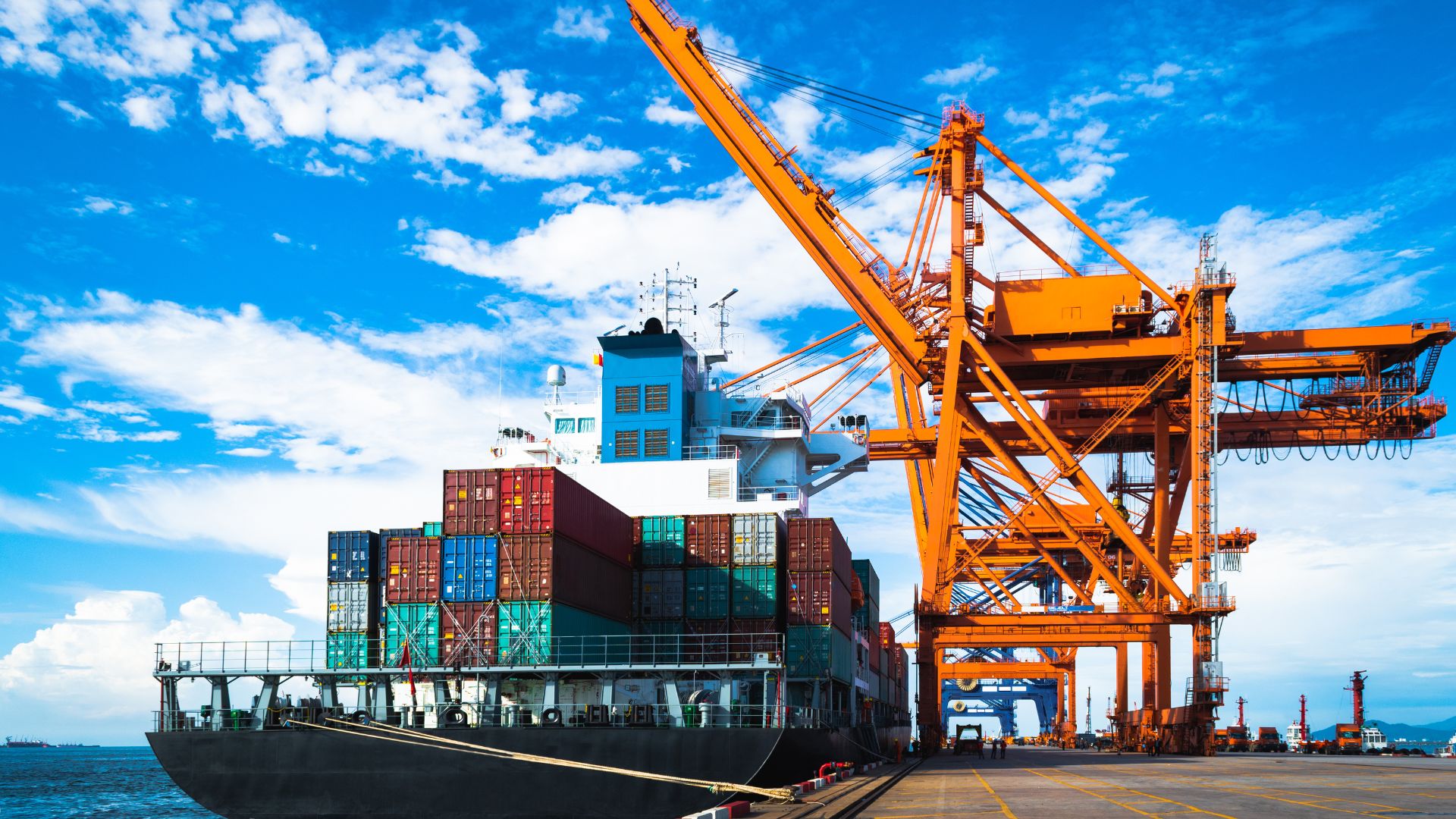
Container ships are the giants of the sea, designed to transport large quantities of goods in standardized containers. These vessels are equipped with powerful engines and advanced navigation systems to ensure efficient and safe voyages across oceans.
-
Capacity: Container ships can carry thousands of containers, with the largest vessels accommodating over 20,000 TEUs (Twenty-foot Equivalent Units).
-
Design: They feature a flat deck and open holds to facilitate easy loading and unloading of containers.
Global Trade Impact
Container ships are pivotal in global trade, enabling the efficient movement of goods between countries. They have revolutionized the shipping industry by reducing transportation costs and transit times.
-
Trade Efficiency: Containerization has streamlined logistics, allowing for faster and more reliable shipping.
-
Economic Influence: These ships support international trade by connecting markets and facilitating the exchange of goods.
Bulk Carrier Ships
Dry Bulk Carriers
Dry bulk carriers are specialized vessels designed to transport unpackaged bulk cargo, such as grains, coal, and minerals. These ships have large cargo holds and are equipped with cranes for loading and unloading.
-
Cargo Types: Common cargo includes iron ore, coal, and grains.
-
Design Features: They have large hatches and reinforced hulls to handle heavy loads.
Specialized Bulk Carriers
Specialized bulk carriers are tailored for specific types of cargo, such as cement or chemicals. These vessels have unique features to accommodate the particular needs of their cargo.
-
Cement Carriers: Equipped with pneumatic systems for efficient loading and unloading.
-
Chemical Carriers: Designed with corrosion-resistant materials to safely transport chemicals.
Tanker Ships
Oil Tankers
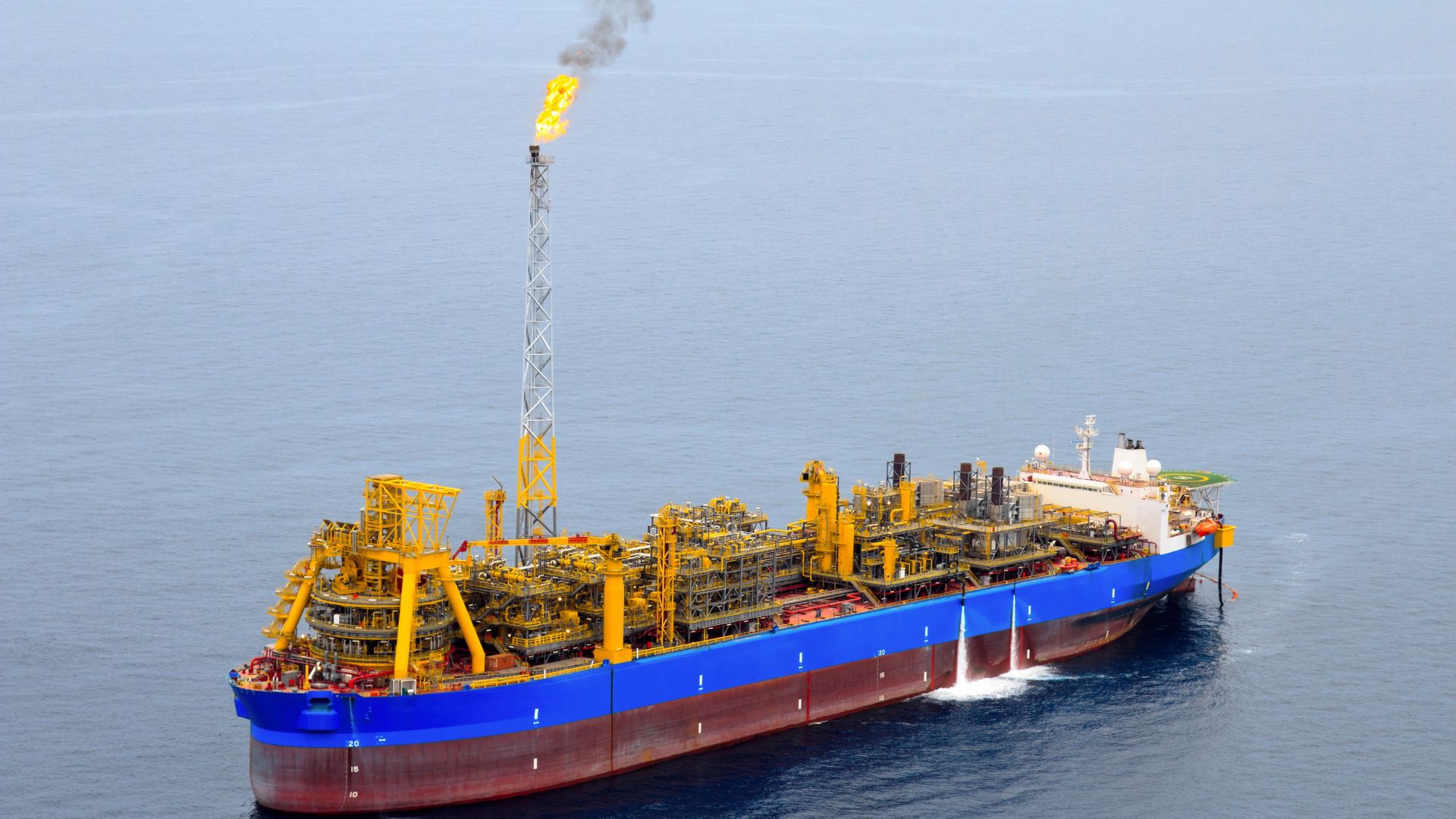
Oil tankers are massive vessels designed to transport crude oil and petroleum products. They are equipped with advanced safety systems to prevent spills and ensure safe transport.
-
Capacity: Can carry millions of barrels of oil.
-
Safety Features: Double hulls and inert gas systems to minimize spill risks.
Chemical Tankers
Chemical tankers are specialized ships designed to transport liquid chemicals. They have multiple compartments to carry different chemicals simultaneously.
-
Cargo Handling: Equipped with stainless steel tanks to prevent contamination.
-
Safety Measures: Advanced monitoring systems to ensure safe transport.
Gas Carriers
Gas carriers transport liquefied gases, such as LNG (Liquefied Natural Gas) and LPG (Liquefied Petroleum Gas). These ships have specialized tanks to maintain the gases in a liquid state.
-
Tank Design: Insulated tanks to keep gases at low temperatures.
-
Transport Efficiency: Enable the safe and efficient movement of gas across long distances.
Roll-on Roll-off (RoRo) Ships
Vehicle Carriers
Vehicle carriers are designed to transport cars and other vehicles. They have multiple decks and ramps for easy loading and unloading.
-
Capacity: Can carry thousands of vehicles at a time.
-
Design: Ramps and elevators for efficient vehicle handling.
Ferry RoRo Vessels
Ferry RoRo vessels transport passengers and vehicles over short distances. They are commonly used for crossing rivers and short sea routes.
-
Passenger Services: Equipped with amenities for passenger comfort.
-
Vehicle Transport: Ramps for quick loading and unloading of vehicles.
Passenger Ships
Cruise Ships
Cruise ships are luxurious vessels designed for passenger travel and leisure. They offer a wide range of amenities, including restaurants, entertainment, and recreational facilities.
-
Passenger Capacity: Can accommodate thousands of passengers.
-
Amenities: Include swimming pools, theaters, and shopping areas.
Ferries
Ferries are used for short-distance passenger and vehicle transport. They operate on fixed routes and schedules, providing essential transportation services.
-
Routes: Commonly used for crossing rivers and short sea routes.
-
Services: Offer basic amenities for passenger comfort.
Offshore Vessels
Platform Supply Vessels
Platform supply vessels (PSVs) support offshore oil and gas operations. They transport supplies and equipment to and from offshore platforms.
-
Cargo Capacity: Designed to carry a variety of supplies, including fuel and water.
-
Operational Role: Essential for maintaining offshore operations.
Anchor Handling Tug Supply Vessels
Anchor handling tug supply vessels (AHTS) are used for towing and positioning offshore platforms. They are equipped with powerful winches and towing equipment.
-
Towing Capability: Can handle heavy loads and complex towing operations.
-
Support Role: Assist in the installation and maintenance of offshore structures.
Fishing Vessels
Commercial Fishing Boats
Commercial fishing boats are designed for catching fish and other seafood. They are equipped with nets, lines, and other fishing gear.
-
Fishing Methods: Include trawling, longlining, and netting.
-
Catch Capacity: Varies based on the size and type of vessel.
Factory Trawlers
Factory trawlers are large vessels equipped with processing facilities. They catch and process fish on board, allowing for extended fishing trips.
-
Processing Facilities: Include freezing and packaging equipment.
-
Operational Range: Capable of long-distance fishing expeditions.
Specialty Vessels
Icebreakers
Icebreakers are specialized ships designed to navigate through ice-covered waters. They have reinforced hulls and powerful engines to break through ice.
-
Design Features: Reinforced hulls and icebreaking capabilities.
-
Operational Role: Essential for maintaining shipping routes in icy regions.
Research Vessels
Research vessels are equipped for scientific exploration and data collection. They support oceanographic, biological, and geological research.
-
Scientific Equipment: Include laboratories and data collection tools.
-
Research Missions: Conduct studies on marine life, climate, and oceanography.
High-Speed Craft
Fast Ferries
Fast ferries are designed for rapid passenger and vehicle transport. They operate on short sea routes and offer quick transit times.
-
Speed: Capable of high speeds for efficient travel.
-
Passenger Services: Provide basic amenities for comfort.
Hydrofoils
Hydrofoils are high-speed vessels that lift above the water on foils. This design reduces drag and allows for faster travel.
-
Design: Foils lift the hull above water for reduced resistance.
-
Speed Advantage: Offer rapid transit over short distances.
Dredgers
Suction Dredgers
Suction dredgers are used for excavating and removing sediment from water bodies. They use suction pipes to collect material from the seabed.
-
Operation: Use suction to remove sediment and debris.
-
Applications: Maintain navigable waterways and harbors.
Bucket Dredgers
Bucket dredgers use buckets to scoop and remove sediment. They are effective for removing hard materials and debris.
-
Design: Equipped with a series of buckets for excavation.
-
Use Cases: Suitable for dredging in rocky or hard seabeds.
International Freight Services and Ship Types
Choosing the Right Vessel for Global Trade
Choosing the right vessel for global trade involves considering cargo type, route, and shipping requirements. Different ships offer unique advantages, making it essential to select the appropriate vessel for efficient transport.
-
Cargo Considerations: Match cargo type with vessel capabilities.
-
Route Planning: Consider shipping routes and transit times.
Goods2load's Centralized Platform for Ship Selection
Goods2load offers a centralized platform for selecting the right ship for your cargo. Their platform provides data-driven insights to help you choose the most suitable vessel for your shipping needs.
-
Platform Features: Access to a wide range of vessel options.
-
Data Insights: Use forecasting data for informed decision-making.
Domestic Freight Services and Coastal Vessels
Short Sea Shipping Options
Short sea shipping offers efficient transport solutions for domestic freight. Coastal vessels provide quick and reliable services for moving goods along coastlines.
-
Vessel Types: Include RoRo ships and fast ferries.
-
Service Benefits: Reduce transit times and transportation costs.
Goods2load's Tailored Services for Local Maritime Transport
Goods2load provides tailored services for local maritime transport, ensuring efficient and reliable shipping solutions. Their expertise in coastal shipping supports businesses in optimizing their logistics.
-
Service Customization: Tailored solutions for specific shipping needs.
-
Local Expertise: Knowledge of regional shipping routes and regulations.
Vehicles and RoRo Ships
Efficient Vehicle Transportation
RoRo ships offer efficient transportation solutions for vehicles, providing quick loading and unloading. These vessels are ideal for moving cars and other vehicles over short and long distances.
-
Loading Efficiency: Ramps and elevators for easy vehicle handling.
-
Transport Flexibility: Suitable for various vehicle types.
Goods2load's Innovative Solutions for Auto Shipping
Goods2load offers innovative solutions for auto shipping, ensuring safe and efficient transport of vehicles. Their services include advanced tracking and logistics support.
-
Tracking Systems: Real-time tracking for vehicle shipments.
-
Logistics Support: Comprehensive services for auto transport.
Freight Forwarding Services and Maritime Logistics
Coordinating Multi-Modal Transport
Coordinating multi-modal transport involves integrating different transportation modes for efficient logistics. Freight forwarding services play a crucial role in managing these complex operations.
-
Integration: Combine sea, air, and land transport for seamless logistics.
-
Efficiency: Optimize routes and transit times for cost-effective shipping.
Goods2load's Global Reach in Ship Chartering
Goods2load offers global reach in ship chartering, providing access to a wide range of vessels for diverse shipping needs. Their expertise in maritime logistics supports businesses in optimizing their supply chains.
-
Chartering Options: Access to various vessel types for chartering.
-
Global Network: Extensive connections with shipping partners worldwide.
Sea Freight and Ship Type Selection
Matching Cargo to Vessel Type
Matching cargo to vessel type is essential for efficient sea freight. Different ships offer unique capabilities, making it crucial to select the right vessel for your cargo.
-
Cargo Compatibility: Ensure cargo is suitable for the chosen vessel.
-
Efficiency: Optimize shipping by selecting the appropriate ship type.
Goods2load's Forecasting Data for Optimal Ship Choice
Goods2load provides forecasting data to help businesses make informed decisions about ship selection. Their data-driven insights support efficient and cost-effective shipping solutions.
-
Data Analysis: Use forecasting data to predict shipping trends.
-
Informed Decisions: Make strategic choices for vessel selection.
Sectors Impacted by Different Ship Types
Energy Sector and Tanker Ships
The energy sector relies heavily on tanker ships for transporting oil, gas, and chemicals. These vessels ensure the safe and efficient movement of energy resources.
-
Transport Role: Essential for global energy supply chains.
-
Safety Measures: Advanced systems for safe transport of hazardous materials.
Agriculture and Bulk Carriers
Bulk carriers play a vital role in the agriculture sector by transporting grains, fertilizers, and other bulk commodities. These ships support global food supply chains.
-
Cargo Handling: Efficient transport of bulk agricultural products.
-
Supply Chain Support: Facilitate international trade in agricultural goods.
Goods2load's Sector-Specific Shipping Solutions
Goods2load offers sector-specific shipping solutions, providing tailored services for industries such as energy and agriculture. Their expertise supports businesses in optimizing their logistics.
-
Customized Services: Tailored solutions for specific industry needs.
-
Logistics Optimization: Enhance supply chain efficiency with specialized services.
Future Trends in Ship Design and Technology
Autonomous Vessels
Autonomous vessels represent the future of shipping, offering potential for increased efficiency and safety. These ships use advanced technology to operate with minimal human intervention.
-
Technological Advancements: Incorporate AI and automation for navigation.
-
Efficiency Gains: Reduce operational costs and improve safety.
Eco-Friendly Ship Innovations
Eco-friendly ship innovations focus on reducing environmental impact through sustainable design and technology. These advancements support the shipping industry's efforts to minimize carbon emissions.
-
Sustainable Design: Use of alternative fuels and energy-efficient systems.
-
Environmental Benefits: Reduce carbon footprint and promote sustainability.
Statistical Overview of Global Fleet Composition
Ship Type Distribution
The global fleet composition includes a diverse range of ship types, each serving specific roles in international trade. Understanding this distribution is essential for analyzing shipping trends.
|
Ship Type |
Percentage of Global Fleet |
|
Container Ships |
30% |
|
Bulk Carriers |
25% |
|
Tankers |
20% |
|
Passenger Ships |
10% |
|
Other Vessels |
15% |
Growth Trends in Ship Categories
Growth trends in ship categories highlight the evolving nature of the shipping industry. These trends reflect changes in global trade patterns and technological advancements.
-
Container Ships: Increasing demand due to global trade growth.
-
Eco-Friendly Vessels: Rising interest in sustainable shipping solutions.
By understanding the different types of ships and their roles in global trade, businesses can make informed decisions about their shipping strategies. Goods2load offers valuable insights and services to support efficient and effective maritime logistics.
Frequently Asked Questions (FAQs)
What are the main types of cargo ships?
The main types of cargo ships include container ships, bulk carriers, and tankers. Each type is designed for specific cargo, such as containers, bulk goods, or liquids. These ships play a vital role in global trade by transporting goods across oceans.
How do container ships differ from bulk carriers?
Container ships and bulk carriers differ in design and cargo handling. Container ships transport goods in standardized containers, while bulk carriers transport unpackaged bulk cargo. Container ships have flat decks, whereas bulk carriers have large cargo holds.
Which ship type is most commonly used for international trade?
Container ships are the most commonly used vessels for international trade. They facilitate the efficient movement of goods between countries, supporting global commerce. Their ability to carry large quantities of containers makes them ideal for international shipping.
What are the largest types of ships?
The largest types of ships are container ships and oil tankers. These vessels can be over 400 meters long and carry massive amounts of cargo. Their size allows for efficient transportation of goods across oceans.
How do tanker ships ensure safe transport of hazardous materials?
Tanker ships ensure safe transport of hazardous materials through advanced safety systems. These include double hulls, inert gas systems, and monitoring equipment. These features minimize the risk of spills and ensure safe transport.
What is the difference between a RoRo ship and a container ship?
RoRo ships and container ships differ in cargo handling and design. RoRo ships transport vehicles and have ramps for loading, while container ships transport goods in containers. Container ships have flat decks, whereas RoRo ships have multiple decks.
How do different ship types impact international freight services?
Different ship types impact international freight services by offering specialized solutions for various cargo. Container ships provide efficient transport for goods, while tankers and bulk carriers handle liquids and bulk materials. These vessels support global trade by meeting diverse shipping needs.
What are the most fuel-efficient types of ships?
The most fuel-efficient types of ships are modern container ships and LNG carriers. These vessels use advanced engines and hull designs to reduce fuel consumption. Fuel efficiency is crucial for reducing shipping costs and environmental impact.
Which ship types are best suited for short sea shipping?
RoRo ships and fast ferries are best suited for short sea shipping. They offer quick loading and unloading, making them ideal for short distances. These vessels provide efficient transport for passengers and vehicles over short routes.