Understanding the logistics landscape is crucial for businesses aiming to optimize their supply chain operations. The logistics industry is categorized into different levels, each offering unique services and benefits. Let's explore the spectrum of logistics providers, from 1PL to 5PL, to understand their roles and how they can benefit your business.
First-Party Logistics (1PL)
First-Party Logistics (1PL) refers to a company managing its own logistics operations without outsourcing. This means the business handles everything from transportation to warehousing internally. While this approach offers complete control, it can be resource-intensive and may not be feasible for all companies.
-
Complete control over logistics operations
-
High resource and infrastructure requirements
-
Limited scalability and flexibility
Second-Party Logistics (2PL)
Second-Party Logistics (2PL) involves a business partnering with a logistics provider for specific services, such as transportation or warehousing. This partnership allows companies to leverage external expertise while maintaining control over other logistics aspects.
-
Partnership for specific logistics services
-
Retains control over other logistics functions
-
Offers some cost savings and efficiency
Third-Party Logistics (3PL)
Third-Party Logistics (3PL) providers offer comprehensive logistics services, including transportation, warehousing, and distribution. By outsourcing these functions, businesses can focus on their core competencies while benefiting from the provider's expertise and infrastructure.
-
Comprehensive logistics services
-
Focus on core business activities
-
Access to advanced technology and expertise
Fourth-Party Logistics (4PL)
Fourth-Party Logistics (4PL) providers act as integrators, managing the entire supply chain on behalf of the client. They coordinate multiple 3PLs and other service providers to ensure seamless operations, offering strategic oversight and optimization.
-
End-to-end supply chain management
-
Strategic oversight and coordination
-
Enhanced efficiency and optimization
Fifth-Party Logistics (5PL)
Fifth-Party Logistics (5PL) providers focus on managing complex supply chains through technology-driven solutions. They integrate advanced technologies like AI and IoT to optimize logistics operations, offering a holistic approach to supply chain management.
-
Technology-driven logistics solutions
-
Integration of AI and IoT for optimization
-
Holistic supply chain management
The Evolution of Supply Chain Management
The logistics industry has evolved significantly over the years, transitioning from in-house operations to sophisticated, outsourced solutions. This evolution has been driven by the need for efficiency, cost savings, and the ability to adapt to changing market demands.
From In-House to Outsourced Logistics
Initially, businesses managed logistics in-house, which required significant resources and infrastructure. As the complexity of supply chains increased, companies began outsourcing logistics to specialized providers, allowing them to focus on core business activities.
-
Shift from in-house to outsourced logistics
-
Increased complexity of supply chains
-
Focus on core business activities
The Rise of Integrated Logistics Solutions
Integrated logistics solutions have emerged as a response to the need for seamless supply chain management. These solutions offer end-to-end services, integrating various logistics functions to enhance efficiency and reduce costs.
-
Emergence of integrated logistics solutions
-
Seamless supply chain management
-
Enhanced efficiency and cost reduction
Comparing 3PL and 4PL Services
Choosing between 3PL and 4PL services depends on a company's specific needs and goals. While both offer valuable benefits, understanding their differences is crucial for making an informed decision.
Key Differences in Scope and Responsibility
3PL providers focus on executing logistics functions, while 4PL providers take on a strategic role, managing the entire supply chain. This distinction in scope and responsibility is a key factor in choosing the right provider.
-
3PL: Execution of logistics functions
-
4PL: Strategic supply chain management
-
Different scopes and responsibilities
Choosing Between 3PL and 4PL for Your Business
When deciding between 3PL and 4PL, consider factors such as the complexity of your supply chain, the level of control you desire, and your strategic goals. A 3PL may be suitable for businesses seeking operational support, while a 4PL is ideal for those needing strategic oversight.
-
Consider supply chain complexity
-
Evaluate desired level of control
-
Align with strategic business goals
Benefits of Partnering with a Third-Party Logistics Provider
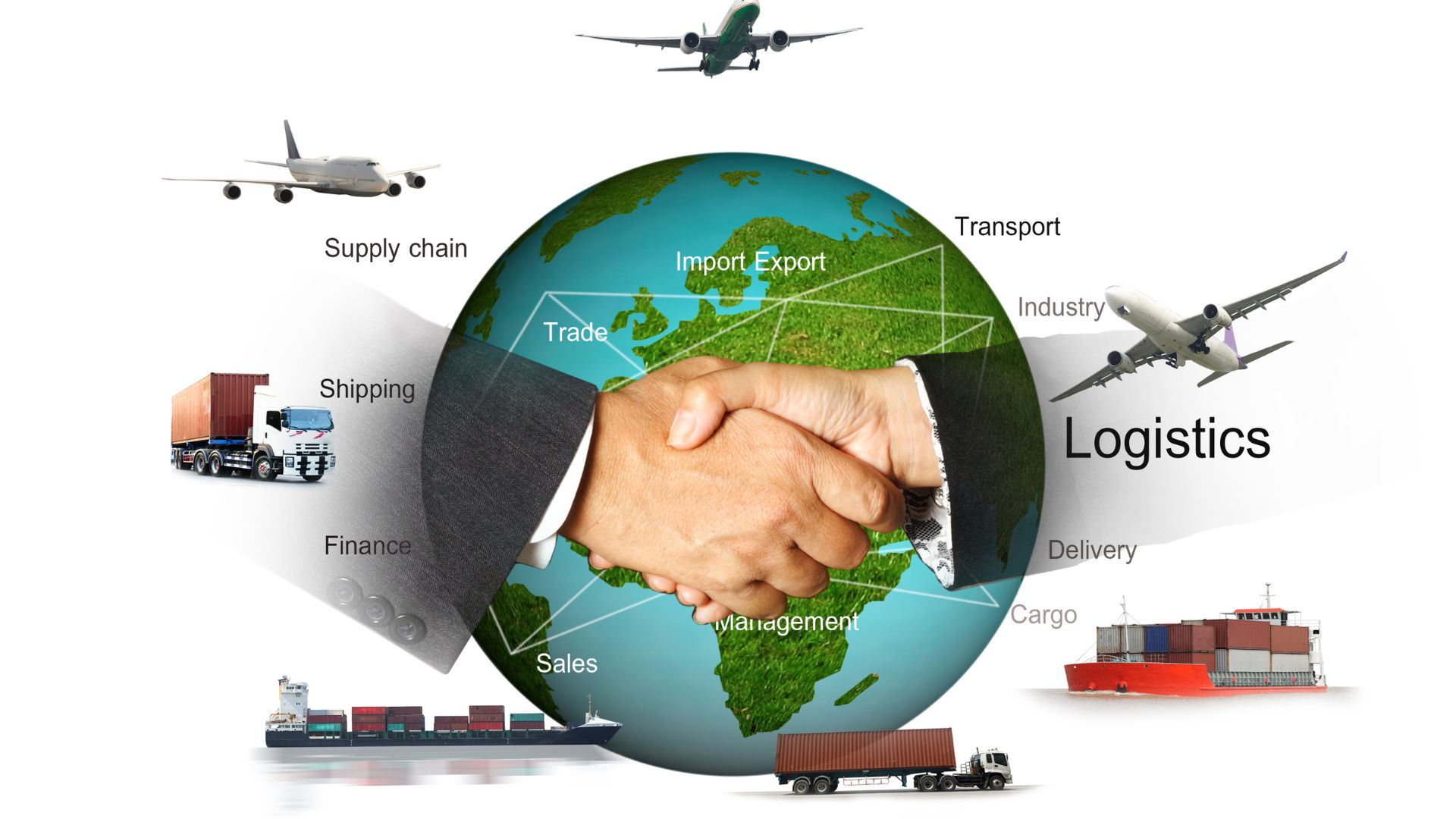
Partnering with a Third-Party Logistics (3PL) provider offers numerous benefits, from cost efficiency to access to specialized expertise. These advantages can significantly enhance a company's logistics operations.
Cost Efficiency and Scalability
3PL providers offer cost-effective solutions by leveraging their infrastructure and expertise. This allows businesses to scale operations without significant capital investment, adapting to market changes with ease.
-
Cost-effective logistics solutions
-
Scalability without capital investment
-
Adaptability to market changes
Access to Specialized Expertise and Technology
By partnering with a 3PL, businesses gain access to specialized expertise and advanced technology. This can lead to improved logistics operations, enhanced efficiency, and a competitive edge in the market.
-
Access to specialized logistics expertise
-
Utilization of advanced technology
-
Improved efficiency and competitiveness
Focus on Core Competencies
Outsourcing logistics to a 3PL allows businesses to focus on their core competencies, such as product development and customer service. This focus can lead to increased innovation and improved customer satisfaction.
-
Focus on core business activities
-
Increased innovation and customer satisfaction
-
Enhanced business growth and development
Benefits of Fourth-Party Logistics
Fourth-Party Logistics (4PL) providers offer strategic advantages by managing the entire supply chain. Their focus on optimization and innovation can lead to significant improvements in logistics operations.
End-to-End Supply Chain Optimization
4PL providers optimize the entire supply chain, from procurement to delivery. This holistic approach ensures efficiency, reduces costs, and enhances overall performance.
-
Comprehensive supply chain optimization
-
Efficiency and cost reduction
-
Enhanced overall performance
Data-Driven Decision Making
4PL providers leverage data analytics to make informed decisions, improving supply chain operations. This data-driven approach leads to better forecasting, inventory management, and customer satisfaction.
-
Utilization of data analytics
-
Improved forecasting and inventory management
-
Enhanced customer satisfaction
Innovation and Continuous Improvement
4PL providers focus on innovation and continuous improvement, ensuring that supply chain operations remain competitive and efficient. This commitment to improvement can lead to long-term success for businesses.
-
Commitment to innovation and improvement
-
Competitive and efficient supply chain operations
-
Long-term business success
Using Technology in Modern Logistics
Technology plays a crucial role in modern logistics, offering solutions that enhance visibility, forecasting, and global reach. By leveraging these technologies, businesses can optimize their supply chain operations.
Centralized Platforms for Enhanced Visibility
Centralized logistics platforms provide real-time visibility into supply chain operations, allowing businesses to monitor and manage logistics activities effectively. This visibility leads to improved decision-making and efficiency.
-
Real-time visibility into logistics operations
-
Improved decision-making and efficiency
-
Effective management of logistics activities
Forecasting and Predictive Analytics
Predictive analytics tools enable businesses to forecast demand and optimize inventory levels. This leads to reduced costs, improved customer satisfaction, and a more responsive supply chain.
-
Demand forecasting and inventory optimization
-
Cost reduction and improved customer satisfaction
-
Responsive and agile supply chain
Global Reach through Digital Networks
Digital networks enable businesses to expand their reach globally, accessing new markets and customers. This global reach is facilitated by technology-driven logistics solutions that ensure efficient and reliable delivery.
-
Expansion into global markets
-
Access to new customers and opportunities
-
Efficient and reliable logistics solutions
Customized Logistics Solutions for Trading Companies
Trading companies require tailored logistics solutions to meet their unique needs. These solutions offer customized services, flexible warehousing, and international trade compliance support.
Customized Services for Diverse Product Lines
Tailored logistics solutions provide customized services for diverse product lines, ensuring that each product is handled according to its specific requirements. This customization leads to improved efficiency and customer satisfaction.
-
Customized logistics services
-
Handling of diverse product lines
-
Improved efficiency and satisfaction
Flexible Warehousing and Distribution Options
Flexible warehousing and distribution options allow trading companies to adapt to changing market demands. This flexibility ensures that products are stored and distributed efficiently, reducing costs and improving service levels.
-
Adaptability to market changes
-
Efficient storage and distribution
-
Cost reduction and improved service levels
International Trade Compliance Support
International trade compliance is crucial for trading companies operating globally. Tailored logistics solutions offer support in navigating complex regulations, ensuring compliance and minimizing risks.
-
Support for international trade compliance
-
Navigation of complex regulations
-
Risk minimization and compliance assurance
The Future of Logistics Partnerships
The future of logistics partnerships is shaped by emerging trends and a focus on sustainability. These factors will influence how businesses approach logistics and supply chain management.
Emerging Trends in Supply Chain Management
Emerging trends such as automation, AI, and blockchain are transforming supply chain management. These technologies offer new opportunities for efficiency, transparency, and innovation in logistics operations.
-
Impact of automation, AI, and blockchain
-
Opportunities for efficiency and transparency
-
Innovation in logistics operations
Sustainability and Green Logistics Initiatives
Sustainability is becoming a key focus in logistics, with companies adopting green initiatives to reduce their environmental impact. These initiatives include eco-friendly transportation, waste reduction, and sustainable packaging.
-
Adoption of green logistics initiatives
-
Reduction of environmental impact
-
Eco-friendly transportation and packaging
Frequently Asked Questions
What is the difference between 1PL and 2PL?
The primary difference between 1PL and 2PL lies in the management of logistics operations. In 1PL, a company manages its logistics internally, while in 2PL, specific logistics services are outsourced to a partner. This allows businesses to leverage external expertise while maintaining control over other logistics functions.
How does a 3PL differ from a 4PL?
A 3PL provider focuses on executing logistics functions such as transportation and warehousing, while a 4PL provider manages the entire supply chain strategically. This distinction in scope and responsibility makes 4PLs ideal for businesses seeking comprehensive supply chain management.
What services does a 5PL provider offer?
A 5PL provider offers technology-driven logistics solutions, integrating advanced technologies like AI and IoT to optimize supply chain operations. They focus on managing complex supply chains holistically, ensuring efficiency and innovation.
What are the advantages of using a 4PL over a 3PL?
The advantages of using a 4PL over a 3PL include strategic oversight, end-to-end supply chain management, and enhanced efficiency. 4PLs coordinate multiple service providers, offering a comprehensive approach to logistics operations.
How can a 5PL provider benefit my trading company?
A 5PL provider can benefit your trading company by offering technology-driven solutions that optimize logistics operations. Their focus on innovation and efficiency ensures that your supply chain remains competitive and responsive to market demands.
What factors should I consider when choosing between 3PL, 4PL, and 5PL providers?
When choosing between 3PL, 4PL, and 5PL providers, consider factors such as the complexity of your supply chain, desired level of control, and strategic goals. Each provider offers unique benefits, so aligning their services with your business needs is crucial.
How can I determine which logistics model is best for my trading company?
To determine the best logistics model for your trading company, assess your supply chain complexity, resource availability, and strategic objectives. Consider the level of control and expertise required to achieve your business goals.
What are the potential drawbacks of outsourcing logistics to a 3PL or 4PL?
Potential drawbacks of outsourcing logistics to a 3PL or 4PL include loss of control over logistics operations and potential dependency on the provider. It's essential to choose a reliable partner and establish clear communication to mitigate these risks.
How do 5PL providers integrate with existing supply chain technologies?
5PL providers integrate with existing supply chain technologies by leveraging advanced tools and platforms that enhance visibility and efficiency. They ensure seamless integration with current systems, optimizing logistics operations and improving performance.