Drayage is a critical component of the logistics chain, referring to the short-distance transportation of goods, typically from a port to a nearby warehouse or distribution center. This process is essential for the smooth transition of cargo from one mode of transportation to another, such as from ship to truck. Drayage plays a pivotal role in ensuring that goods reach their final destination efficiently and on time, making it a vital link in the supply chain.
Drayage services are indispensable for businesses that rely on the timely delivery of goods. They help in minimizing delays and reducing the risk of damage during transit. By facilitating the movement of goods between different transportation modes, drayage ensures that the supply chain operates seamlessly, ultimately benefiting both businesses and consumers.
-
Short-distance transportation of goods
-
Essential for smooth transition between transportation modes
-
Minimizes delays and reduces risk of damage
Types of Drayage Services
Container Drayage
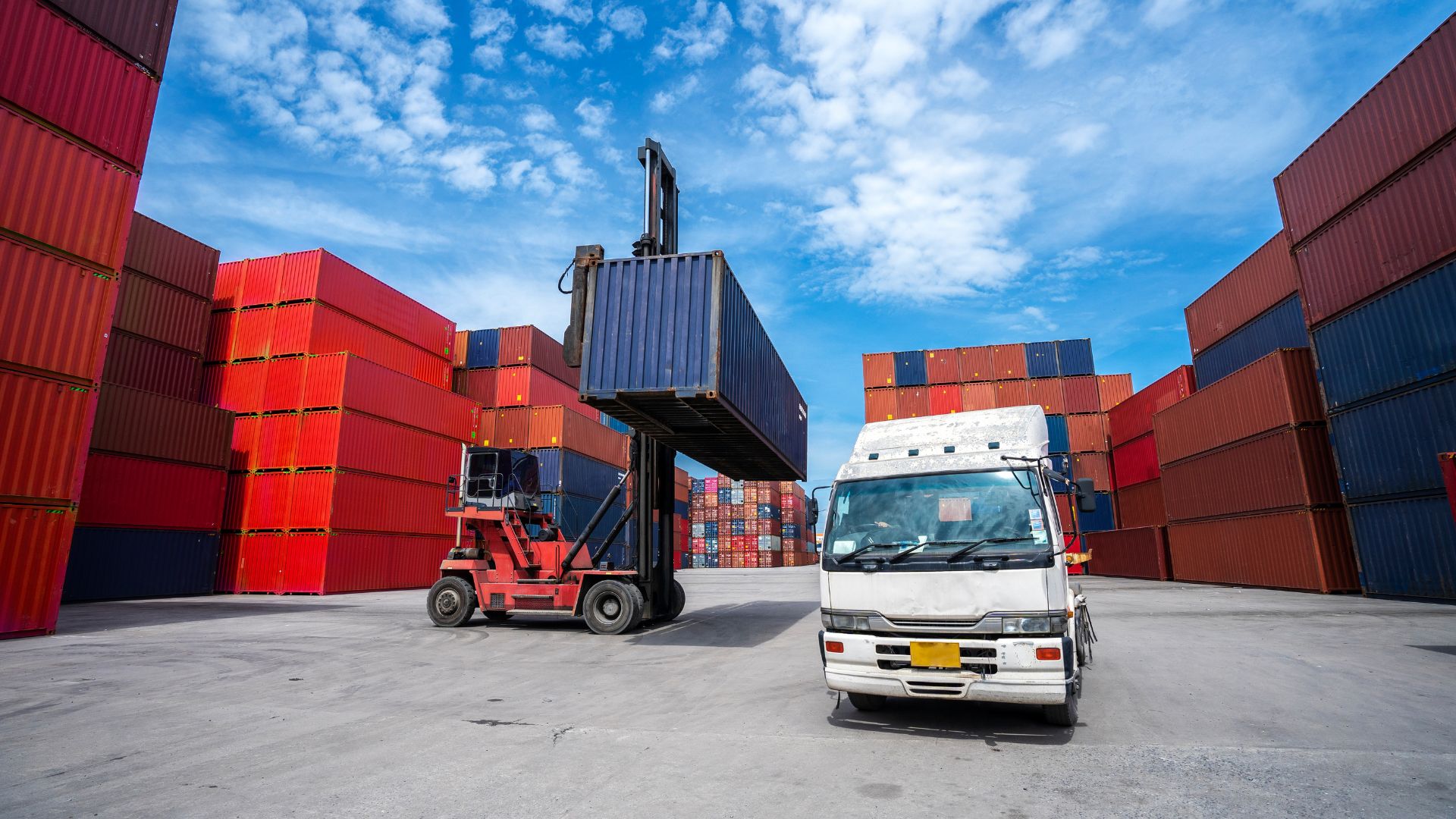
Container drayage involves the transportation of shipping containers from ports to inland destinations. This service is crucial for businesses that import or export goods, as it ensures that containers are moved efficiently and safely. Container drayage requires specialized equipment and expertise to handle the logistics of moving large containers.
Container drayage services are often used by companies that need to transport goods over short distances. These services are essential for ensuring that containers are delivered on time and in good condition, helping businesses maintain their supply chain efficiency.
-
Transportation of shipping containers
-
Requires specialized equipment and expertise
-
Essential for import and export businesses
Pier Drayage
Pier drayage refers to the movement of goods from a port to a nearby pier or terminal. This service is often used for the transfer of cargo between ships or from ship to shore. Pier drayage is essential for ensuring that goods are loaded and unloaded efficiently, reducing the risk of delays and damage.
Pier drayage services are crucial for businesses that rely on maritime transportation. They help ensure that goods are transferred smoothly between ships and other modes of transportation, maintaining the integrity of the supply chain.
-
Movement of goods from port to pier
-
Essential for maritime transportation
-
Reduces risk of delays and damage
Shuttle Drayage
Shuttle drayage involves the transportation of goods between two locations within a port or terminal. This service is often used to move cargo from one area of a port to another, facilitating the efficient transfer of goods. Shuttle drayage is essential for ensuring that cargo is moved quickly and safely within a port.
Shuttle drayage services are vital for businesses that need to move goods within a port or terminal. They help ensure that cargo is transferred efficiently, reducing the risk of delays and damage.
-
Transportation of goods within a port
-
Facilitates efficient transfer of cargo
-
Reduces risk of delays and damage
Expedited Drayage
Expedited drayage services are designed for businesses that need to move goods quickly and efficiently. These services prioritize speed and efficiency, ensuring that cargo is delivered on time and in good condition. Expedited drayage is essential for businesses that require fast and reliable transportation of goods.
Expedited drayage services are often used by companies that need to meet tight deadlines. They help ensure that goods are delivered quickly and efficiently, maintaining the integrity of the supply chain.
-
Designed for fast and efficient transportation
-
Prioritizes speed and reliability
-
Essential for meeting tight deadlines
Drayage Truck Requirements
Advanced Clean Fleets Regulation
The Advanced Clean Fleets Regulation is a set of guidelines aimed at reducing emissions from drayage trucks. These regulations require the use of cleaner, more efficient vehicles, helping to minimize the environmental impact of drayage operations. Compliance with these regulations is essential for businesses that rely on drayage services.
The Advanced Clean Fleets Regulation is crucial for ensuring that drayage operations are environmentally sustainable. By requiring the use of cleaner vehicles, these regulations help reduce emissions and improve air quality.
-
Guidelines for reducing emissions
-
Requires use of cleaner vehicles
-
Essential for environmental sustainability
Emissions Reduction Strategies
Emissions reduction strategies are essential for minimizing the environmental impact of drayage operations. These strategies involve the use of cleaner vehicles, improved fuel efficiency, and the adoption of alternative fuels. By implementing these strategies, businesses can reduce their carbon footprint and contribute to a more sustainable supply chain.
Emissions reduction strategies are crucial for businesses that rely on drayage services. They help ensure that operations are environmentally sustainable, reducing the impact on air quality and the environment.
-
Minimizes environmental impact
-
Involves use of cleaner vehicles and fuels
-
Contributes to sustainable supply chain
Zero-Emission Drayage Truck Technology
Zero-emission drayage truck technology is an innovative solution for reducing the environmental impact of drayage operations. These trucks use electric or hydrogen fuel cells to eliminate emissions, providing a cleaner and more sustainable alternative to traditional diesel-powered vehicles.
Zero-emission drayage truck technology is essential for businesses that want to reduce their carbon footprint. By adopting this technology, companies can improve their environmental sustainability and contribute to a cleaner supply chain.
-
Innovative solution for reducing emissions
-
Uses electric or hydrogen fuel cells
-
Provides cleaner alternative to diesel trucks
Drayage Operations and Logistics
Marine vs Domestic Drayage
Marine drayage involves the transportation of goods from a port to a nearby destination, while domestic drayage refers to the movement of goods within a country. Both types of drayage are essential for ensuring that goods are delivered efficiently and on time.
Marine and domestic drayage services are crucial for businesses that rely on the transportation of goods. They help ensure that cargo is moved efficiently, reducing the risk of delays and damage.
-
Marine drayage: port to nearby destination
-
Domestic drayage: within a country
-
Essential for efficient transportation
Intermodal Transportation
Intermodal transportation involves the use of multiple modes of transportation to move goods from one location to another. This approach is essential for ensuring that cargo is delivered efficiently and on time, reducing the risk of delays and damage.
Intermodal transportation is crucial for businesses that rely on the transportation of goods. It helps ensure that cargo is moved efficiently, maintaining the integrity of the supply chain.
-
Use of multiple transportation modes
-
Ensures efficient delivery of goods
-
Reduces risk of delays and damage
Freight Consolidation
Freight consolidation involves the combining of multiple shipments into a single load, reducing transportation costs and improving efficiency. This approach is essential for businesses that want to optimize their supply chain and reduce their carbon footprint.
Freight consolidation is crucial for businesses that rely on the transportation of goods. It helps reduce costs and improve efficiency, contributing to a more sustainable supply chain.
-
Combines multiple shipments into single load
-
Reduces transportation costs
-
Improves efficiency and sustainability
Drayage Costs and Fees
Factors Affecting Drayage Pricing
Several factors can affect drayage pricing, including distance, fuel costs, and the type of cargo being transported. Understanding these factors is essential for businesses that want to optimize their transportation costs and maintain their supply chain efficiency.
Factors affecting drayage pricing are crucial for businesses that rely on the transportation of goods. By understanding these factors, companies can optimize their costs and improve their supply chain efficiency.
-
Distance, fuel costs, and cargo type
-
Essential for optimizing transportation costs
-
Improves supply chain efficiency
Understanding Drayage Fees
Drayage fees are the charges associated with the transportation of goods over short distances. These fees can vary depending on several factors, including distance, fuel costs, and the type of cargo being transported. Understanding drayage fees is essential for businesses that want to optimize their transportation costs and maintain their supply chain efficiency.
Understanding drayage fees is crucial for businesses that rely on the transportation of goods. By understanding these fees, companies can optimize their costs and improve their supply chain efficiency.
-
Charges for short-distance transportation
-
Varies based on distance, fuel costs, and cargo type
-
Essential for optimizing transportation costs
Drayage Best Practices
Fleet Age Management
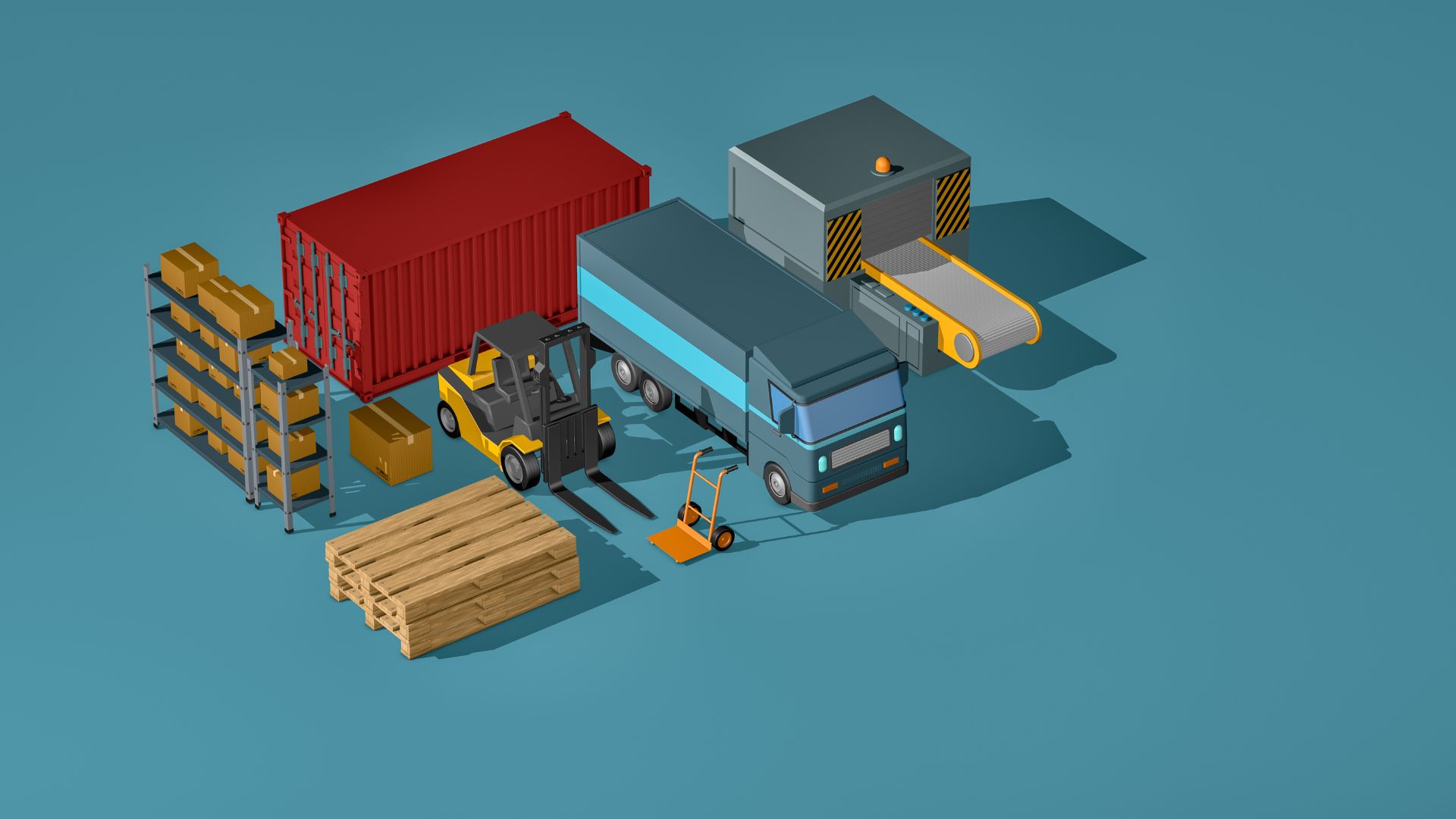
Fleet age management involves the regular maintenance and replacement of vehicles to ensure that they operate efficiently and safely. This practice is essential for businesses that rely on drayage services, as it helps reduce the risk of breakdowns and delays.
Fleet age management is crucial for businesses that rely on the transportation of goods. By maintaining and replacing vehicles regularly, companies can ensure that their operations are efficient and reliable.
-
Regular maintenance and replacement of vehicles
-
Reduces risk of breakdowns and delays
-
Ensures efficient and reliable operations
Idle Time Reduction
Idle time reduction involves minimizing the amount of time that vehicles spend idling, reducing fuel consumption and emissions. This practice is essential for businesses that want to improve their environmental sustainability and reduce their transportation costs.
Idle time reduction is crucial for businesses that rely on the transportation of goods. By minimizing idle time, companies can reduce their fuel consumption and emissions, contributing to a more sustainable supply chain.
-
Minimizes vehicle idle time
-
Reduces fuel consumption and emissions
-
Improves environmental sustainability
Efficient Route Planning
Efficient route planning involves optimizing the routes that vehicles take to reduce travel time and fuel consumption. This practice is essential for businesses that want to improve their transportation efficiency and reduce their costs.
Efficient route planning is crucial for businesses that rely on the transportation of goods. By optimizing routes, companies can reduce travel time and fuel consumption, improving their supply chain efficiency.
-
Optimizes vehicle routes
-
Reduces travel time and fuel consumption
-
Improves transportation efficiency
Drayage and Environmental Impact
Air Quality Improvement Initiatives
Air quality improvement initiatives are essential for reducing the environmental impact of drayage operations. These initiatives involve the use of cleaner vehicles, improved fuel efficiency, and the adoption of alternative fuels. By implementing these initiatives, businesses can reduce their emissions and improve air quality.
Air quality improvement initiatives are crucial for businesses that rely on drayage services. They help ensure that operations are environmentally sustainable, reducing the impact on air quality and the environment.
-
Reduces environmental impact of drayage
-
Involves use of cleaner vehicles and fuels
-
Improves air quality
Sustainable Drayage Solutions
Sustainable drayage solutions involve the use of cleaner vehicles, improved fuel efficiency, and the adoption of alternative fuels. These solutions are essential for businesses that want to reduce their carbon footprint and contribute to a more sustainable supply chain.
Sustainable drayage solutions are crucial for businesses that rely on the transportation of goods. They help ensure that operations are environmentally sustainable, reducing the impact on air quality and the environment.
-
Use of cleaner vehicles and fuels
-
Improves fuel efficiency
-
Contributes to sustainable supply chain
Drayage in UAE
Port Operations
Port operations in Dubai and the UAE are essential for ensuring that goods are delivered efficiently and on time. These operations involve the movement of cargo between ships and other modes of transportation, facilitating the efficient transfer of goods.
Port operations in Dubai and the UAE are crucial for businesses that rely on the transportation of goods. They help ensure that cargo is moved efficiently, reducing the risk of delays and damage.
-
Essential for efficient delivery of goods
-
Involves movement of cargo between ships and other modes
-
Reduces risk of delays and damage
Regional Drayage Challenges
Regional drayage challenges in Dubai and the UAE include traffic congestion, regulatory compliance, and environmental sustainability. These challenges are essential for businesses that want to optimize their transportation operations and maintain their supply chain efficiency.
Regional drayage challenges in Dubai and the UAE are crucial for businesses that rely on the transportation of goods. By addressing these challenges, companies can optimize their operations and improve their supply chain efficiency.
-
Traffic congestion, regulatory compliance, and sustainability
-
Essential for optimizing transportation operations
-
Improves supply chain efficiency
Future of Drayage
Automation in Drayage Operations
Automation in drayage operations is an innovative solution for improving transportation efficiency and reducing costs. This technology is essential for businesses that want to optimize their supply chain and improve their transportation operations.
Automation in drayage operations is crucial for businesses that rely on the transportation of goods. It helps ensure that operations are efficient and cost-effective, improving supply chain efficiency.
-
Innovative solution for improving efficiency
-
Essential for optimizing supply chain
-
Reduces transportation costs
Integration with Smart Port Technologies
Integration with smart port technologies is an innovative solution for improving transportation efficiency and reducing costs. This technology is essential for businesses that want to optimize their supply chain and improve their transportation operations.
Integration with smart port technologies is crucial for businesses that rely on the transportation of goods. It helps ensure that operations are efficient and cost-effective, improving supply chain efficiency.
-
Innovative solution for improving efficiency
-
Essential for optimizing supply chain
-
Reduces transportation costs
Drayage Regulations and Compliance
International Drayage Standards
International drayage standards are essential for ensuring that transportation operations are efficient and compliant with global regulations. These standards are crucial for businesses that want to optimize their supply chain and improve their transportation operations.
International drayage standards are crucial for businesses that rely on the transportation of goods. They help ensure that operations are efficient and compliant, improving supply chain efficiency.
-
Ensures efficient and compliant operations
-
Essential for optimizing supply chain
-
Improves transportation efficiency
UAE-Specific Drayage Regulations
UAE-specific drayage regulations are essential for ensuring that transportation operations are efficient and compliant with local regulations. These regulations are crucial for businesses that want to optimize their supply chain and improve their transportation operations.
UAE-specific drayage regulations are crucial for businesses that rely on the transportation of goods. They help ensure that operations are efficient and compliant, improving supply chain efficiency.
-
Ensures efficient and compliant operations
-
Essential for optimizing supply chain
-
Improves transportation efficiency
FAQs
What is the difference between drayage and trucking?
Drayage refers to the short-distance transportation of goods, typically from a port to a nearby warehouse, while trucking involves the long-distance transportation of goods over land. Drayage is essential for the efficient transfer of cargo between different modes of transportation, while trucking is crucial for delivering goods to their final destination.
How is drayage calculated?
Drayage is calculated based on several factors, including distance, fuel costs, and the type of cargo being transported. These factors help determine the overall cost of drayage services, allowing businesses to optimize their transportation costs and maintain their supply chain efficiency.
What is drayage in shipping terms?
In shipping terms, drayage refers to the short-distance transportation of goods from a port to a nearby destination. This process is essential for the efficient transfer of cargo between different modes of transportation, ensuring that goods reach their final destination on time and in good condition.
How does drayage affect supply chain efficiency?
Drayage affects supply chain efficiency by facilitating the smooth transition of goods between different modes of transportation. This process helps minimize delays and reduce the risk of damage, ensuring that goods are delivered on time and in good condition.
What are the benefits of using a drayage service?
The benefits of using a drayage service include improved transportation efficiency, reduced risk of delays and damage, and optimized supply chain operations. Drayage services are essential for businesses that rely on the timely delivery of goods, helping them maintain their supply chain efficiency.
How is drayage evolving with technological advancements?
Drayage is evolving with technological advancements through the adoption of automation, smart port technologies, and zero-emission vehicles. These innovations are essential for improving transportation efficiency, reducing costs, and enhancing environmental sustainability.
How does drayage contribute to overall logistics costs?
Drayage contributes to overall logistics costs by providing essential short-distance transportation services that facilitate the efficient transfer of goods between different modes of transportation. These services help optimize supply chain operations, reducing the risk of delays and damage.
What are the key challenges in drayage operations?
The key challenges in drayage operations include traffic congestion, regulatory compliance, and environmental sustainability. Addressing these challenges is essential for businesses that want to optimize their transportation operations and maintain their supply chain efficiency.
How can trading companies optimize their drayage processes?
Trading companies can optimize their drayage processes by implementing efficient route planning, reducing idle time, and adopting sustainable drayage solutions. These practices help improve transportation efficiency, reduce costs, and enhance environmental sustainability.